If light feels like one of your biggest triggers, you’re not alone. But what if the right kind of light could actually help reduce your migraine symptoms—instead of making them worse?
For most people living with migraine, light sensitivity isn’t just inconvenient—it’s disabling. The glow of a screen, the glare of overhead lights, or even a sunny afternoon can trigger or intensify pain. Photophobia, or extreme sensitivity to light, affects nearly 80 percent of people with migraine. But recent research suggests not all light is equally triggering.
In fact, a narrow band of green light may actually have the opposite effect. Instead of worsening symptoms, it might help reduce them.
What Is Green Light Therapy?
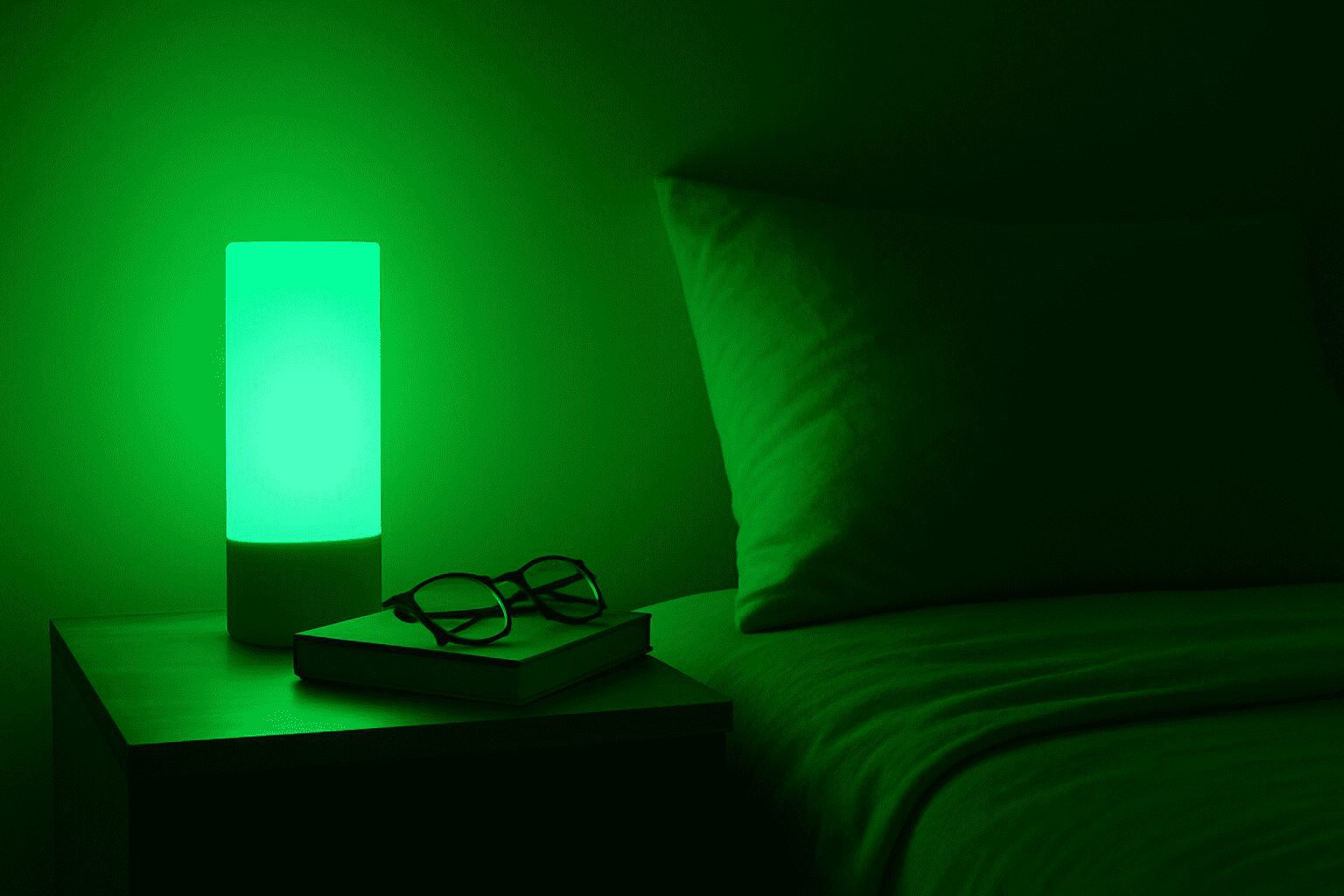
Green light therapy is a non-invasive wellness approach that involves exposing yourself to a very specific type of green light for a set period of time each day. It’s not just any green bulb. The benefit comes from a narrow wavelength range, typically between 520 and 530 nanometers, delivered in a low-light environment without other competing light sources.
The idea is simple: support the nervous system by using a type of light that’s been shown to calm rather than stimulate pain-sensitive pathways in the brain.
What the Research Says
A 2016 study published by researchers at Harvard Medical School looked at how different colors of light affect migraine pain. Most forms of light, especially blue and red wavelengths, made symptoms worse. But green light stood out. At low intensities, it was the only color that didn’t significantly increase pain—and for many participants, it actually reduced pain by about 20 percent.
So what makes green light different?
According to the researchers, green light triggers smaller electrical signals in both the retina and the brain’s cortex compared to other colors. It also causes less activation in the thalamus, a region of the brain involved in processing pain.
More recently, a study from the University of Arizona found even more promising results. In people with both episodic and chronic migraine, daily exposure to green light reduced headache days by an average of 60 percent. That’s a significant improvement for a non-pharmacological therapy. The research team believes green light may work by activating pain-modulation systems in the brain, increasing natural endorphin release, and reducing inflammation in nerve pathways.
How to Use Green Light Therapy Effectively
Green light therapy is simple to try, but the setup does matter.
Use the correct wavelength
Therapeutic green light needs to fall in the 520–530 nm range. Most green-tinted bulbs or colored party lights don’t meet this requirement. For migraine relief, it’s important to use a device that emits a narrow, controlled band of green light.
Create a dark environment
For best results, green light therapy should be done in a dark or dimly lit room. Avoid using your phone, watching TV, or exposing yourself to bright screens during the session. Ambient light from other sources can reduce the effectiveness of the therapy.
Be consistent
Studies have shown benefits withdaily exposure—usually between 30 minutes to 2 hours per day. Some people also use green light during an active migraine attack to help ease light sensitivity and support a calmer environment.
A Science-Backed Tool That Fits Into Your Day
Green light therapy isn’t a cure. But for many people with migraine, it’s become a powerful part of their non-medication toolkit. The right wavelength, delivered with consistency and care, can help reduce light sensitivity and lower the frequency of attacks.
If you’re looking for new ways to care for your nervous system, Sanctuary Mode is just one of many science-backed tools Aevere is building to help support you—on good days and hard ones.
Want more expert-backed migraine insights delivered straight to your inbox?
Sign up for the Aevere newsletter and get early access to digital tools, calming rituals, and real stories from people who’ve been there too.
Aevere is a general wellness company. Our products and content are not intended to diagnose, treat, cure, or prevent any disease and should not replace medical care. Always consult with your healthcare provider about any changes to your health routine.