
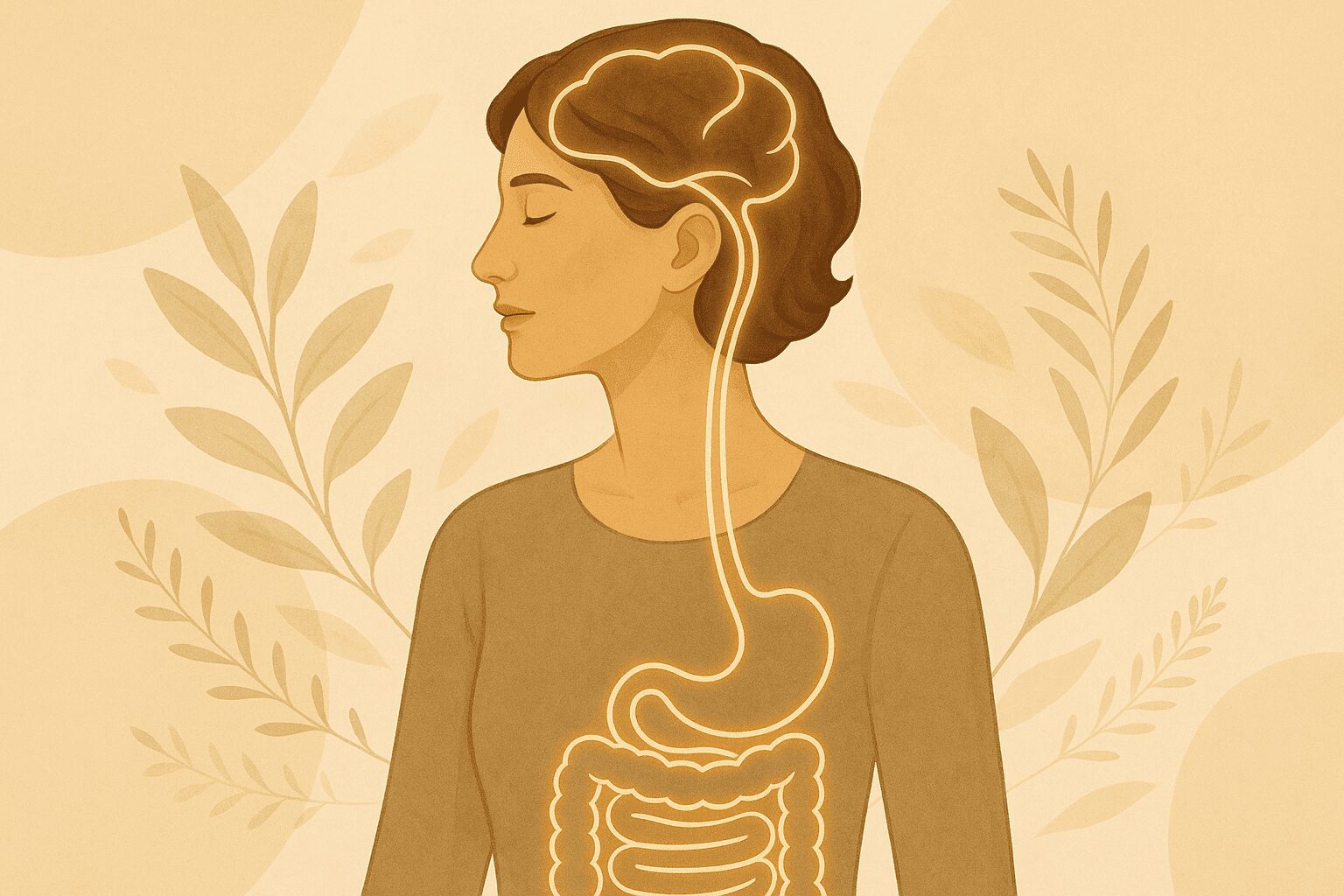
Among the most fascinating insights in modern neuroscience and wellness is the discovery that your gut and brain are in constant, dynamic communication. This connection—known as the gut-brain axis—extends far beyond digestion. It influences mood, cognition, immunity, and, as new research shows, even the frequency and intensity of migraine attacks.
For migraine sufferers, this science reframes a familiar truth: your gut health is not separate from your neurological health—it’s deeply intertwined. When your gut ecosystem becomes unbalanced, it can drive inflammation and destabilize the nervous system, two of the most powerful forces underlying migraine.
At Aevere, we view the gut as the body’s “second brain.” By nurturing its balance through mindful nutrition, hydration, and supplementation, you support a calmer, more stable brain—and, ultimately, a more resilient life with migraine.
The Gut-Brain Axis: A Two-Way Communication System
The gut-brain connection operates like a continuous conversation between two sophisticated control centers. Signals move in both directions, shaping how you feel, think, and respond to the world around you.
1. The Vagus Nerve: The Body’s Information Highway
This remarkable nerve runs from the brainstem to the intestines, carrying information in both directions. It not only helps regulate digestion but also transmits updates about your gut’s condition directly to your brain, influencing stress response, pain perception, and inflammation.
2. Neurotransmitters: Chemistry in Motion
An estimated 90% of serotonin—the neurotransmitter associated with mood, sleep, and pain regulation—is produced in the gut. When your gut becomes imbalanced, these chemical shifts can ripple outward, affecting not only digestion but also emotional well-being and migraine thresholds.
3. The Microbiome: Your Inner Ecosystem
Your gut is home to trillions of microorganisms that form a delicate ecosystem known as the microbiome. These microbes produce neuroactive compounds, regulate inflammation, and maintain the integrity of the gut lining. When balanced, they promote calm and resilience; when disrupted, they can amplify systemic inflammation and stress responses—two key contributors to migraine.
When the Gut Falls Out of Balance
A disrupted microbiome—a condition known as dysbiosis—can have profound neurological consequences.
1. Leaky Gut and Inflammation
When the gut lining becomes overly permeable (“leaky gut”), bacterial toxins and food particles can enter the bloodstream, triggering systemic inflammation. This ongoing immune activity can sensitize pain pathways in the brain, lowering your migraine threshold.
2. Chronic Systemic Stress
Persistent gut inflammation keeps the nervous system in a state of hypervigilance, reinforcing the very cycle of sensitivity that migraine thrives on.
3. Nutrient Malabsorption
An imbalanced gut can impair absorption of key nutrients such as magnesium, vitamin B2, and CoQ10—nutrients essential for nerve function and migraine prevention.
Research continues to confirm the gut-brain connection in migraine. Studies from institutions like Harvard Medical School and The American Migraine Foundation reveal that people with migraine are more likely to experience gastrointestinal issues like IBS, and their gut microbiome composition often differs from those without migraine.
Nourishing the Gut-Brain Axis: The Aevere Approach
Supporting your gut health doesn’t require radical change—it’s about small, consistent actions that create stability in both your digestive and nervous systems.
1. Eat for Diversity and Consistency
A fiber-rich diet filled with colorful, plant-based foods supports a healthy microbiome. Variety matters—each type of fiber feeds different beneficial bacteria. Consistent eating patterns, as discussed in our article on Food Triggers and Migraine, help regulate digestion and prevent the blood sugar swings that can trigger migraine.
2. Stay Deeply Hydrated
Hydration is essential for gut health and inflammation control. Dehydration stresses both the gut and the brain. Hydration Sachets are designed with balanced electrolytes—magnesium, sodium, and potassium—to help water absorb more effectively and maintain systemic calm.
→ Learn more about our Hydration and Electrolytes for Migraine.
3. Use Targeted Supplements Wisely
- Magnesium: Essential for muscle relaxation, nerve regulation, and bowel regularity. Aevere’s Magnesium Lotion supports both gut function and migraine resilience.
- Probiotics: A clinically formulated probiotic can help restore microbiome diversity and balance.
- Herbal Support: Ingredients like ginger can soothe digestion while offering natural anti-inflammatory benefits.
The Aevere Ecosystem: Turning Insight into Action
Understanding the gut-brain connection is powerful—living it daily is transformative. Aevere’s ecosystem is built to make that possible.
Track and Reflect with the Aevere App
Use the Aevere App to log your meals, hydration, and any digestive symptoms. Over time, the app’s intelligent insights can reveal how your gut patterns correlate with migraine frequency, helping you identify your personal triggers and stabilizers.
Build Restorative Rituals
Pair Aevere’s supplements and hydration sachets with gentle daily routines. Use the Ritual Builder to create consistent nourishment and hydration habits that support both your gut and your mind.
By nurturing your digestive ecosystem, you’re not just improving gut health—you’re cultivating neurological balance, emotional steadiness, and a stronger foundation against migraine. A calm gut truly supports a calmer mind.
Join Today
Join our free Aevere Membership today to receive practical communication guides, migraine-friendly toolkits, and deeper insights into living well with migraine. As a member, you’ll also get early access to features designed to make support easier for both you and your loved ones.
Disclaimer
This article is for informational purposes only and does not constitute medical advice. Consult your healthcare provider before making dietary changes or beginning new supplements.